Look, I’ll be straight with you – fire protection isn’t exactly the most thrilling topic on a Saturday afternoon. But when your building’s on fire? Yeah, suddenly everyone’s VERY interested in how those red pipes and sprinklers actually work.
So let me break this down for you…
## **The Basics (What Actually Happens When Things Go Wrong)**
Fire protection services are basically your building’s immune system. Just like your body fights off infections before you even know they’re there, a good fire protection system kicks in way before you smell smoke.
Here’s what’s actually happening behind the scenes:
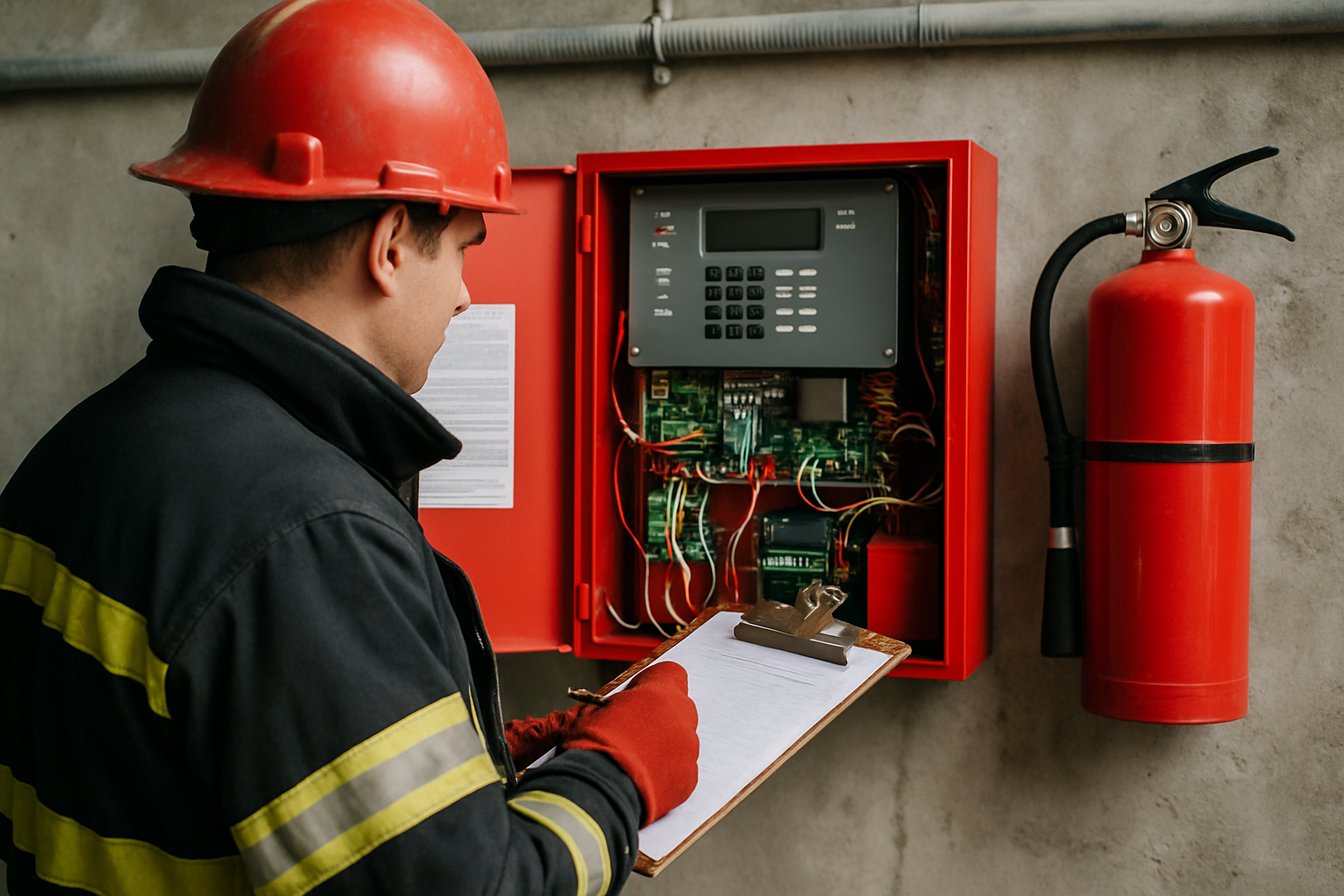
– **Detection systems** spot trouble first (smoke, heat, sometimes even invisible gases)
– **Suppression systems** jump into action – sprinklers, foam, whatever’s needed
– **Alarm systems** let everyone know it’s time to move
– **Emergency lighting** makes sure nobody’s stumbling around in the dark
The whole thing works together. Like a really expensive, really important orchestra that only plays one song: “Get Everyone Out Safely.”
## **Why Most People Get This Wrong**
Here’s what drives me nuts – people think fire protection is just about putting water on flames. Nope. Not even close.
Modern fire protection is about **prevention first**. It’s about spotting problems before they become disasters. Think of it like this… you don’t wait until your car engine explodes to check the oil, right? Same principle.
A proper fire protection service does:
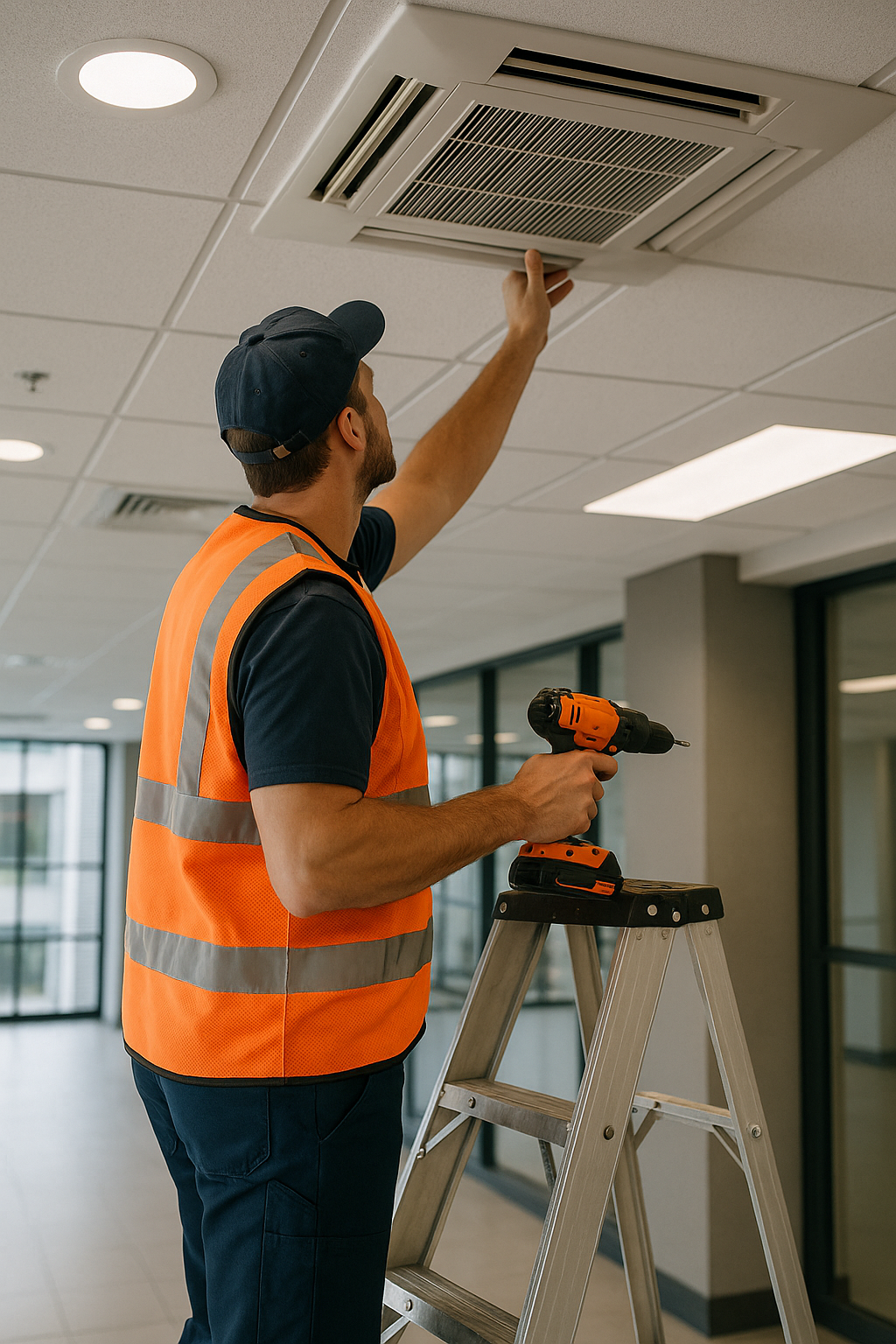
– Regular inspections (boring but crucial)
– Testing all the equipment monthly
– Making sure your emergency exits aren’t blocked by that new copier someone ordered
– Training your staff so they don’t panic when alarms go off
– Keeping everything up to code (because trust me, fire marshals don’t mess around)
## **The Technical Stuff (Simplified)**
Okay so here’s where it gets interesting. Modern buildings have layers of protection:
**First Line:** Passive protection – fire doors, fire-rated walls, stuff that just sits there doing its job
**Second Line:** Active detection – smoke detectors, heat sensors, all the gadgets that spot trouble
**Third Line:** Suppression systems – sprinklers, gas systems for server rooms, foam for kitchens
**Fourth Line:** Human response – trained staff who know what to do
Each layer backs up the others. Because fires don’t follow rules and Murphy’s Law is always lurking.
## **What This Means for Your Building**
Whether you’re managing a small office or a massive commercial complex, here’s what matters:
1. **Regular maintenance isn’t optional** – it’s literally the law
2. **Cheap systems cost more** in the long run (ask anyone who’s dealt with water damage from faulty sprinklers)
3. **Documentation saves lives** – and lawsuits
4. **Training matters** more than fancy equipment
I’ve seen too many property managers try to cut corners here. Don’t be that person.
## **The Asset Centre Approach**
Now, the team at Asset Centre – they get it. They’re not just checking boxes on some compliance form. They understand that fire protection is part of the bigger picture of keeping your building running smoothly.
They handle:
– Design and installation of new systems
– Regular testing and maintenance
– Emergency repairs (because fires don’t wait for business hours)
– Compliance documentation
– Staff training programs
But here’s what sets them apart – they treat fire protection as part of your overall facility management. Not some separate thing you deal with once a year.
## **Real Talk: What You Should Do Next**
If you’re reading this and thinking “hmm, when was the last time we tested our fire systems?” then you already know what needs to happen.
Don’t wait.
Seriously.
Fire protection isn’t sexy. It’s not exciting. It doesn’t increase your property value or make your tenants happy (until it saves their lives). But it’s probably the most important service your building needs.
Give Asset Centre a call. Let them do a proper assessment. Because the only thing worse than paying for good fire protection is wishing you had.
Stay safe out there.
*- Bryce*
—
*P.S. – If your fire extinguisher is dusty, your emergency exits are blocked, or you can’t remember the last inspection date… stop reading and make that call. Some things can’t wait.*